
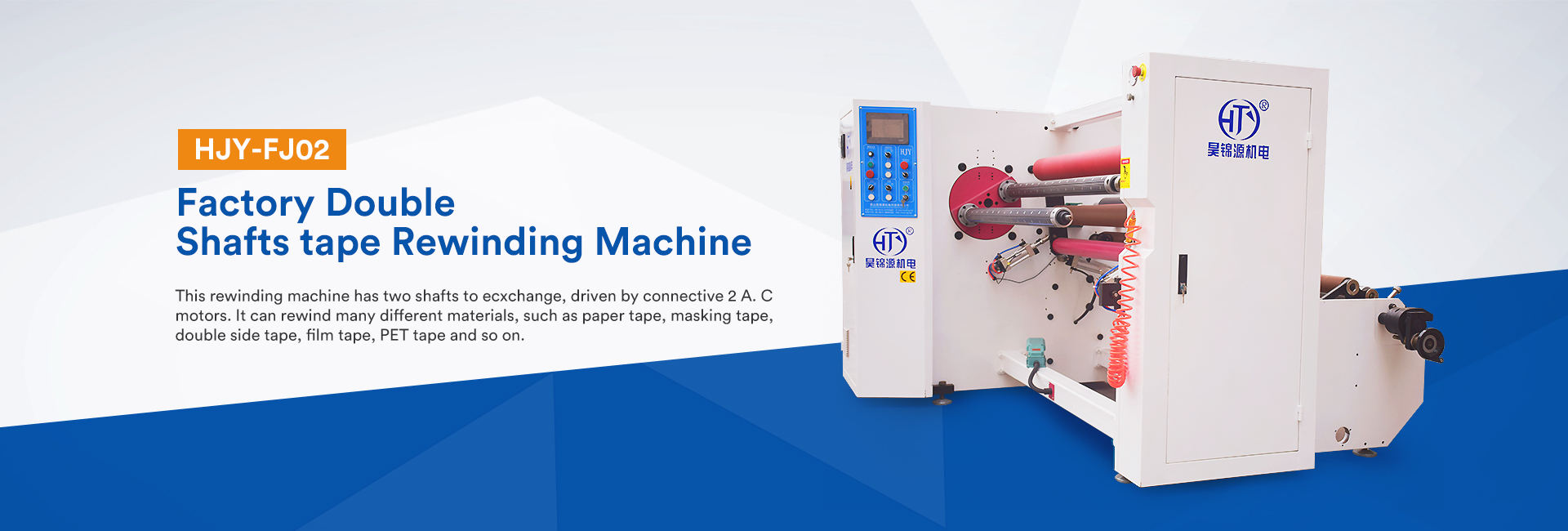


What is a Slitter Machine?
A slitter machine, often referred to as a slitting machine, is a fairly important equipment in the converting industry. It converts large rolls of materials, known as master rolls, into several narrower rolls of specific widths for further use in manufacturing or packaging. Typically, such heavy master rolls are variously produced in large sizes, most often a few meters wide (about 1500 to 2500 millimeters) in order to minimize cost by facilitating mass production that is within controlled parameters. Slitters come in various configurations that enable to handle different types of materials: paper, film, foil, nonwoven fabrics, and textiles in general. They are perfect cutters even at high speed and are used in several industries such as packaging, printing, paper, electronics, automobile, and tape production.
Key Components of a Slitting Machine
A slitting machine is primarily composed of three main sections: the unwind section, the slitting section, and the rewind section. Each part plays a vital role in the slitting process.
| Section | Function Description | Component List |
| The Unwind Section | Holds and feeds the master roll into the slitting area. | 1. Tension control system: Maintain consistent tension to avoid any material wrinkles or misalignment. 2. Bearings and supports: Stabilize the roll during unwinding. 3. Automatic loading system: Adjusts speed and position for sync with production. |
| The Slitting Section | Cuts the material into narrower strips using blades or knives. | 1. Slitting blades: Variety (razor, rotary or crush) depending on material type. 2. Adjustment mechanism: Positions blades for different widths. 3. Drive system: Maintains blade speed at exact RPM. |
| The Rewind Section | Rewinds the slit materials into rolls. | 1. Rewind shafts: Collect slit strips independently to manage tension. 2. Tension regulator: Adjusts rewind tension to prevent sagging or overstretching. 3. Guide rollers: Ensure materials wind evenly without twisting. |
Uneven Cutting
Uneven cutting is a frequent challenge with slitting machines and can impact the quality of your final product. This often occurs due to dull or misaligned blades. Regularly inspect and sharpen your blades to ensure they are in optimal condition. Misalignment can shift cuts away from their intended path, leading to uneven widths. Bringing the blades back into proper alignment can solve this issue. Operators should also pay careful attention to the tension settings; inadequate tension can cause the material to drift, resulting in irregular cuts. By calibrating the machine and performing routine checks, you can maintain even cutting and ensure high-quality output.
Poor Slit Quality
If you are seeing signs of fraying or inconsistent cuts, the slit quality is likely compromised. This is often due to insufficient blade pressure or incorrect slitting methods. Ensure that the air pressure applied to the blades is adequate but not excessive, as too much pressure can damage the blades and the anvil shaft. It’s also crucial to choose the right slitting method for your material—films might require razor slitting, while tougher materials may require shear or score slitting. Testing different methods can help determine the best approach for optimal results.
Material Wrinkling or Curling
Wrinkling usually stems from improper tension settings during the slitting process. When the material is too loose or not properly aligned, it can bunch up as it passes through the blades. To mitigate this, ensure proper tension control and align the material accurately on the unwind shaft. A skewed master roll can also lead to wrinkling; make sure the roll is centered and even. If necessary, check the air pressure in the unwind shaft to prevent the roll from shifting during operation.
Material Breakage
Material breakage is commonly caused by excessive tension or improper blade settings. Check the tension control system to ensure it’s not applying too much force, which can tear the material. Similarly, dull blades can snag and break the material, so regular blade maintenance is crucial. Adjusting both the tension settings and blade sharpness can help minimize breakage and enhance the reliability of the slitting process.
Loose or Inconsistent Rolls
If your slit rolls are not tight or consistent, it can affect the usability and presentation of the final product. This issue often arises from improper tension settings or inaccurate diameter sensors. Verify that the sensors are properly calibrated and positioned to read the roll diameters accurately. Adjusting the tension settings can also help secure the rolls more effectively. Ensuring the air shaft is properly inflated and securely holding the unwind roll will prevent slippage and improve roll tightness.
Post time: Aug-21-2026